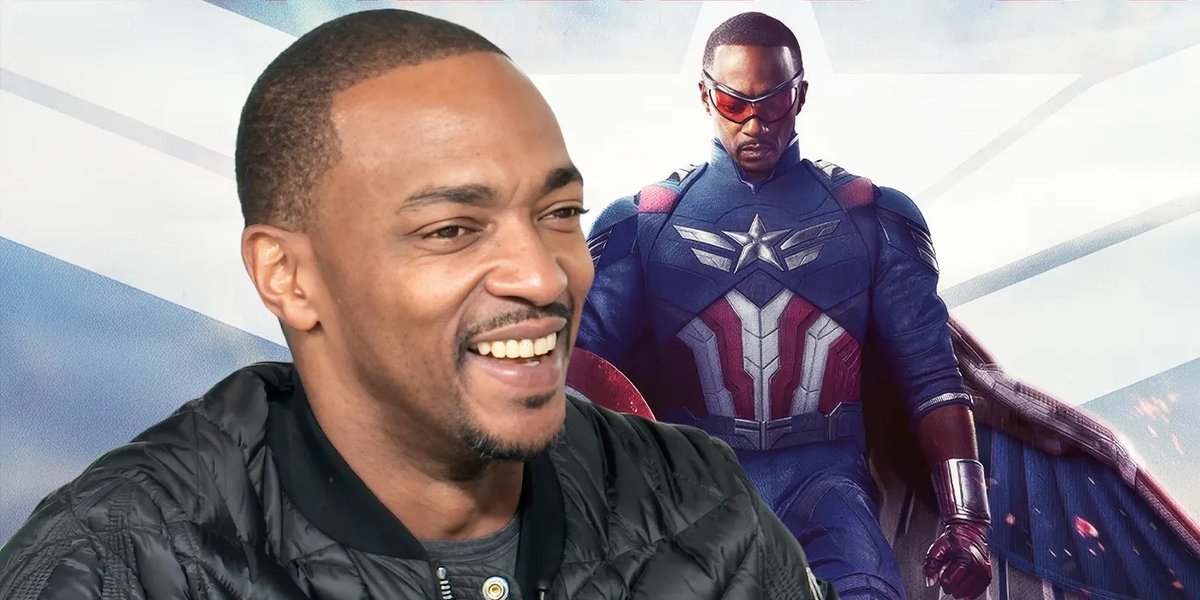
The cinematic landscape of 2025 kicks off with a title that was always going to stir conversation: Captain America: Brave New World. But if you're looking for a simple consensus on this highly anticipated MCU entry, you're in for a surprise. The early word is in, and the Captain America: Brave New World Reviews & Critic Consensus reveals a stark, almost unprecedented divide between professional critics and the everyday audience. It's a film that has left many scratching their heads, wondering if they saw the same movie, with the official Tomatometer landing at a chilly 49% from critics, while audiences are singing its praises with a robust 80%.
So, what gives? Why is this new chapter for Sam Wilson's Captain America generating such wildly different reactions? Let's dive deep into the heart of the matter, dissecting the key points that separate the pundits from the people, and helping you decide if Brave New World is your next must-see MCU adventure.
At a Glance: Brave New World's Big Split
- Critical Reception (Tomatometer): 49%
- Audience Reception: 80%
- The Hero: Sam Wilson's portrayal as Captain America divided opinions.
- MCU Connectivity: Critics found it exposition-heavy; audiences loved the interwoven narrative.
- Story & Characters: Too many subplots for critics; rich character development for audiences.
- Tone: Critics found it bleak; audiences appreciated the political thriller vibe.
- Hulk Ties: Critics questioned its necessity; audiences welcomed the integration.
The Heart of the Divide: Unpacking Brave New World's Reception
When a film lands with such disparate scores, it signals more than just differing opinions; it points to fundamental disagreements on what constitutes a successful cinematic experience, especially within the sprawling Marvel Cinematic Universe. Let's break down the core areas where critics and audiences found themselves on opposite sides of the shield.
1. Sam Wilson's Captain America: Bland vs. Brilliant
The Critic's Lens: Many critics walked away feeling that Anthony Mackie's portrayal of Sam Wilson as the new Captain America fell flat. Descriptions like "bland," "preachy," and "not as fun" peppered reviews. The sentiment was that the film missed an opportunity to delve deeper into the real-world implications of a Black man taking on such an iconic, historically white mantle, opting instead for a more surface-level exploration. For some, Sam lacked the compelling gravitas or unique personality that would truly define him independently of Steve Rogers.
The Audience's Embrace: Audiences, conversely, largely embraced Mackie's performance. They lauded Sam Wilson for embodying a different kind of heroism – one rooted in humanity and conviction rather than a Super-Soldier serum. Viewers praised Sam for being "his own man," appreciating his ability to navigate complex situations using both decisive action and thoughtful words. For them, Sam's journey was about proving that the shield doesn't just belong to a super-powered individual, but to someone with an unwavering moral compass and a deep commitment to justice, making his path distinctly compelling. He’s an extraordinary man equipped with Wakandan technology, yes, but it's his inherent character that defines him.
2. MCU Connections: Burdened Exposition vs. Exciting Foundations
The Critic's Lens: A common refrain among critics was the film's perceived inability to stand on its own two feet. They found Brave New World weighed down by "relentless exposition" and a barrage of setups for future MCU projects. From teases for the X-Men and new Avengers rosters to hints at Bucky Barnes' political future, critics felt these connections detracted from the film's immediate narrative, turning it into a glorified trailer for what's next rather than a satisfying story in its own right. It was seen as an unearned reliance on future promises.
The Audience's Delight: For many viewers, however, this interconnectedness was precisely what they craved. They saw it as a welcome "return to the classic Marvel formula" – a universe where every story threads into a larger tapestry. This approach was viewed as an "exciting foundation" for the MCU's future, laying groundwork that promised thrilling payoffs in upcoming phases. Audiences appreciated the intricate world-building, feeling that the film successfully enriched the ongoing saga without sacrificing its own plot, and instead amplified its significance within the broader narrative. It felt like coming home for many long-time fans.
3. Character Count & Storylines: Clutter vs. Compelling Depth
The Critic's Lens: Critics often pointed to an overabundance of characters and subplots, arguing that these elements diluted Sam's central narrative and led to an "underwhelming main villain" in The Leader. Characters like the Serpent Society, Sidewinder (played by Giancarlo Esposito), and Ruth Bat-Seraph were cited as examples of unnecessary additions that muddied the waters. This perceived narrative bloat, for critics, made it difficult to invest fully in any single storyline.
The Audience's Appreciation: Audiences, surprisingly, found much to praise in the film's character development and "political thriller tone." They specifically highlighted the significant growth of Harrison Ford's Thaddeus "Thunderbolt" Ross, noting his desperation to make amends for past actions (a plot point we’ll delve into shortly). Sam Wilson's personal journey to fully embrace the Captain America mantle also resonated deeply. For these viewers, the varied cast contributed to the film's rich texture, adding layers to a complex political landscape where multiple players vie for influence, making the stakes feel higher and the world more vibrant. They saw the ensemble as building a believable, intricate world rather than merely cluttering it.
4. Tone & Enthusiasm: Bleak Realism vs. Political Pulse
The Critic's Lens: Many critics found Brave New World to be "overly serious and bleak," missing the lighter touch and pure entertainment value of Chris Evans' Captain America trilogy. Comparisons were frequently drawn to Captain America: The Winter Soldier, with critics feeling Brave New World fell short of its predecessor's masterful balance of grounded storytelling and superhero fun. The film’s serious tone, they argued, sometimes veered into humorless territory, diminishing the excitement typically associated with a Captain America adventure.
The Audience's Perspective: Audiences largely felt the film was "true to the Captain America franchise," specifically appreciating its departure from some of the more overtly comedic MCU entries. Many even ranked it "above The First Avenger," valuing its "political angle" and "investigative tone." The high-octane aerial action, showcasing Sam Wilson's unique fighting style, was a particular highlight, providing a distinct flavor that differentiates him from Steve Rogers. For these viewers, the serious tone amplified the real-world stakes Sam faced, making his moral dilemmas all the more impactful and timely. It wasn't about being fun for fun's sake, but about addressing serious themes within a compelling superhero framework. This grounded approach, mirroring films like The Winter Soldier, felt like a purposeful and welcome return to form.
5. The Incredible Hulk Connections: Forced Tie-in vs. Foundational Lore
The Critic's Lens: Perhaps one of the more surprising points of contention was the film's heavy reliance on connections to 2008's The Incredible Hulk. Critics questioned the necessity of integrating a largely forgotten MCU entry so deeply, finding its explanations for new plot points forced, even if attempts were made in-film to bridge the gap. It felt, to some, like a retroactive attempt to legitimize a less-loved part of the MCU.
The Audience's Acceptance: Most audiences, however, were "mostly amenable to the Hulk ties." They drew parallels to Thor: Ragnarok, where the Hulk played a significant role without overshadowing Thor, demonstrating how deep lore cuts can enhance a film. Viewers felt that Brave New World "sufficiently explained the necessary background" for characters like The Leader and Thaddeus Ross, whose histories are intrinsically linked to the 2008 film. Rather than a forced tie-in, it was seen as a clever way to recontextualize existing MCU history and give long-standing characters overdue development, especially for those familiar with the deeper cuts of Marvel comics lore.
Behind the Scenes: A Brave New World Unveiled
Beyond the critical and audience divide, Captain America: Brave New World carries its own production story that adds another layer of intrigue. As the first MCU film slated for 2025, it holds significant weight in setting the tone for the next phase.
A New President and an Island of Secrets
The film plunges straight into a relentless action-thriller narrative. Anthony Mackie, despite the critical ambivalence, shines for audiences as he navigates a world still reeling from post-Blip events. A pivotal role falls to Harrison Ford, stepping into the formidable shoes of Thaddeus "Thunderbolt" Ross, now the newly-elected US President. His mission: to unite a skeptical world using a mysterious new discovery from Celestial Island.
Ross, perhaps desperate to atone for a checkered past, tasks Captain America (Sam Wilson) and Falcon (Joaquin Torres) with recovering top-secret stolen material. This mission quickly escalates, throwing them into fierce resistance from the enigmatic Serpent Society and the ruthless Sidewinder, portrayed with menacing gravitas by Giancarlo Esposito. What follows is a troubling double-cross, deepening the political intrigue.
Sam, ever the idealist, invites Isaiah Bradley to the White House Celestial Island Summit, hoping for a moment of unity. However, a mysterious figure from Ross's past soon triggers a murderous plan, unraveling the fragile peace.
Echoes of the Past, Shaping the Future
Stylistically, Brave New World consciously aligns itself with the gritty, grounded espionage feel of The Winter Soldier, a comparison not lost on either critics or audiences, albeit with different evaluations of its success. Crucially, it draws heavily on key events and characters from The Incredible Hulk, using that previously overlooked corner of the MCU to propel its narrative forward.
Sam Wilson, much like his predecessor Steve Rogers, finds himself caught between loyalty to his country and profound concerns about President Ross's true motives. This moral quandary is at the heart of his journey. He grapples with a form of impostor syndrome – he's an extraordinary man, yes, but one equipped with advanced Wakandan technology rather than a Super-Soldier serum. His arc is a compelling exploration of making Captain America "his own," proving his heroism, selflessness, and capability without ever needing to be Steve Rogers. The film delivers bone-crushing action sequences that clearly showcase Sam's physical prowess and unique aerial combat style, cementing his distinct identity.
President Ross, too, faces a reckoning. His desperation to make amends for his past actions drives much of his character arc, and the film explores the consequences of his long history. This character development for Ross was a significant positive for audiences, providing depth to a figure previously seen primarily as an antagonist.
Navigating Production Turbulence
Marvel Studios' marketing decision to reveal critical developments, such as Red Hulk imagery, in trailers was a calculated response to what has been publicly acknowledged as production woes and social media negativity surrounding the film's development. Despite visible signs of reshoots – a common, though often scrutinized, practice in large-scale productions – the overall story remains engrossing for many viewers, effectively focusing on Sam's journey to embody Captain America and Ross confronting his past. Importantly, the CGI for Red Hulk, a significant reveal, is deemed "sufficient," indicating it delivers on the spectacle without distracting from the narrative.
Beyond its immediate story, Captain America: Brave New World is also a crucial stepping stone. It skillfully sets up intriguing threads for the upcoming Thunderbolts film, given Ross's involvement, and potentially lays groundwork for future Avengers installments, fulfilling the audience's desire for interconnectedness.
Who Will Enjoy Captain America: Brave New World?
Given the stark divergence in opinion, understanding what type of viewer will best appreciate Captain America: Brave New World becomes essential.
You'll likely enjoy Brave New World if:
- You're a fan of the MCU's interconnectedness: If you love how every thread weaves into a larger tapestry and enjoy speculating about future storylines, this film's extensive setups will be a treat.
- You appreciate political thrillers: The film's grounded, investigative, and politically charged tone might resonate with fans of Captain America: The Winter Soldier who prefer a more serious superhero narrative.
- You're invested in Sam Wilson's journey: If you've been following Sam's path from Falcon to Captain America and want to see him forge his own unique identity with the shield, this film offers a deep dive into his character.
- You enjoy strong character development: Particularly if you're interested in Harrison Ford's Thaddeus Ross and his complex history, the film offers significant growth for his character.
- You're open to deeper MCU lore: The connections to The Incredible Hulk and other less-explored corners of the universe will appeal to those who enjoy seeing long-standing characters and storylines brought back into focus.
- You crave high-octane aerial action: Sam Wilson's unique fighting style and the film's bone-crushing action sequences are designed to deliver thrilling spectacle.
- You're ready to experience this new chapter for yourself! If you're intrigued by what you've read and want to form your own opinion, now's the time to Get Captain America Brave New World tickets and witness the action firsthand.
You might find Brave New World challenging if: - You prefer lighter, more comedic MCU entries: The film's serious and sometimes bleak tone might be a departure from what you expect from a Marvel movie.
- You dislike heavy exposition or constant future setups: Critics found the film too focused on what's next, rather than delivering a self-contained story.
- You want a straightforward main villain: The film's narrative complexity, with multiple characters and subplots, might lead to a less focused villain arc for some.
- You prefer your heroes to have traditional superpowers: Sam Wilson's strength comes from his character and tech, not a serum, which some critics felt made him less compelling.
The Final Word: Forge Your Own Opinion
Captain America: Brave New World, a Marvel Studios production, arrives in theaters on February 14th, distributed by Walt Disney Studios Motion Pictures. It stands as a fascinating case study in modern blockbuster reception. It's not merely a "good" or "bad" film in a simple sense, but rather a movie that speaks to different audiences on fundamentally different levels.
While critics often look for innovation, standalone narrative strength, and sophisticated thematic exploration, audiences frequently prioritize continuity, character arcs within a larger universe, and engaging entertainment that fulfills established expectations. Brave New World appears to deliver on the latter, while struggling to meet the former for many professional reviewers.
Ultimately, the power to decide rests with you, the viewer. Is it a sprawling, interconnected adventure that propels the MCU forward with a compelling new Cap? Or is it a disjointed collection of ideas burdened by its own universe? The only way to truly know where you stand in this great divide is to experience Captain America: Brave New World for yourself.